To prepare a home exterior for a Minnesota winter, work top down in October: clear and extend the gutters, get the roof inspected for lifted shingles and failed flashing, seal siding gaps and window frames, and check the attic for the air leaks and thin insulation that cause ice dams. Most of it is a weekend of homeowner work plus one free inspection.
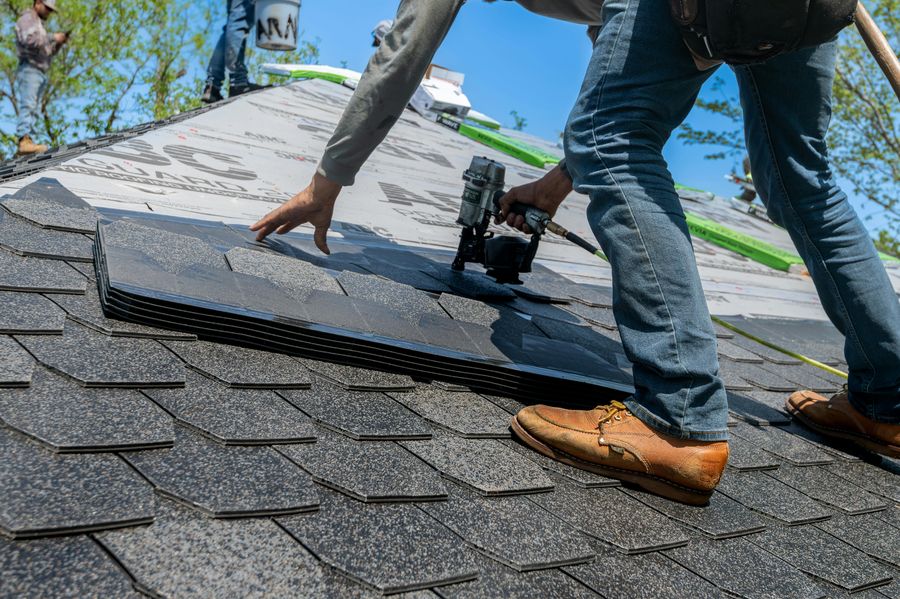
Roof: look from the ground for lifted or missing shingles, exposed nail heads and cracked vent boots, then have anything you cannot see inspected. Gutters: clean, repitch low spots, and extend downspouts at least four feet so meltwater does not freeze against the foundation. Siding and trim: caulk open joints at corners and around penetrations, replace soft trim now rather than after it holds ice all winter.
Windows and doors: replace failed weatherstripping and foam any frame gap you can feel a draft through. Attic: this is the one people skip. Air seal the ceiling penetrations and top up insulation, because a warm attic is what builds ice dams in January. Our ice dam guide explains why.
Anything that needs a ladder on a steep roof, flashing and boot replacement, siding repairs where water may be behind the wall, and a written condition report you can plan around. A free fall inspection catches the lifted shingle that becomes a February leak. We do not do roof snow removal, so the attic and roof edge work has to be done now, not once the snow is on.
A free estimate gets you exact numbers, real samples and an honest recommendation from a veteran owned local contractor.
Prefer to pick a time? Book your free inspection online