An ice dam forming on the roof edge is fixed in the attic, not on the roof: air seal the ceiling, add insulation and ventilate soffit to ridge so the deck stays cold, and rake the first few feet of snow from the ground after big storms. Ice dams are the most Minnesota roof problem there is: a ridge of ice at the roof edge that backs melting snow up under the shingles and into the house. Here is what actually causes them, the fixes that work, and how insurance usually treats the damage.
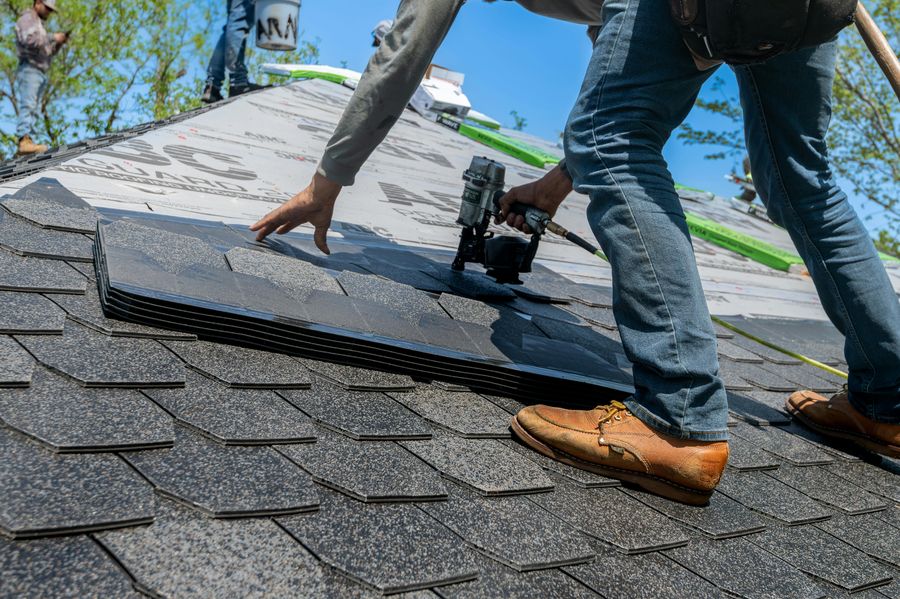
Heat escaping into the attic warms the roof deck and melts the snow above it. That water runs down to the cold overhang at the eaves, refreezes, and builds a dam. New melt pools behind the dam and works under the shingles. That is why raking snow and chipping ice treat the symptom: the cure lives in the attic. The three real fixes are air sealing the ceiling below the attic, insulation to keep heat out of the attic, and ventilation that keeps the roof deck cold and even.
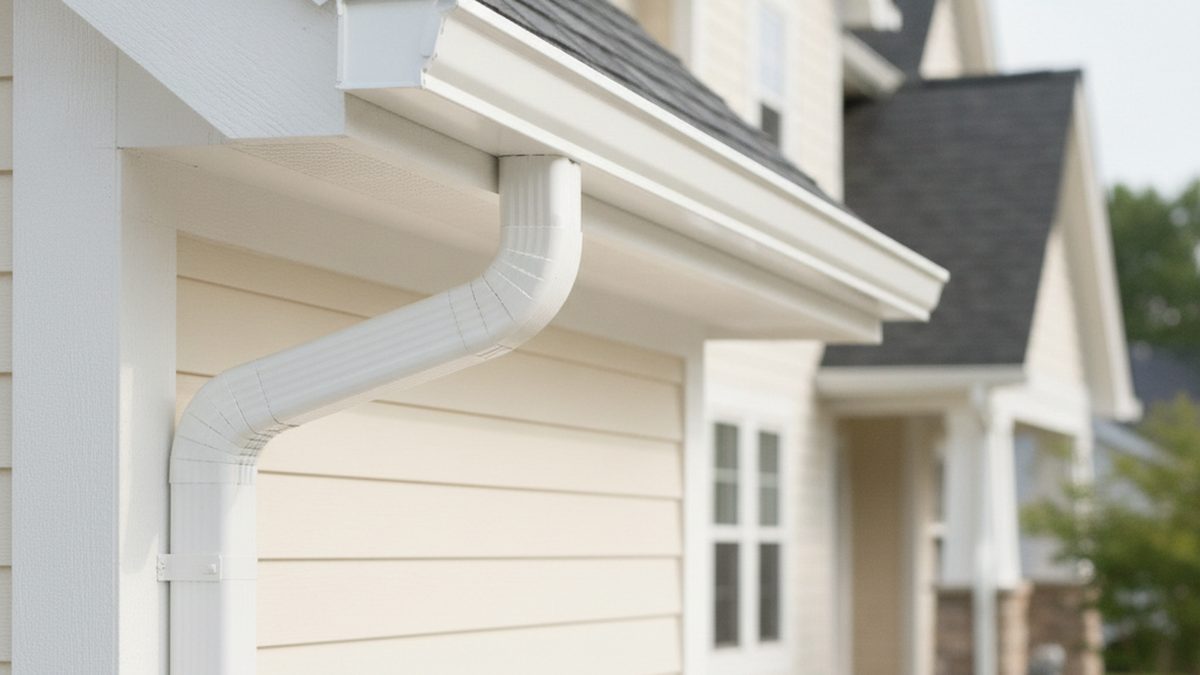
Do not chip at the ice with a hammer or run a torch on the roof edge, both destroy shingles. A roof rake from the ground after heavy snows takes the fuel away safely. If water is actively coming inside, that is an emergency call: we stabilize the leak, then fix the roof and the attic conditions that caused it. Interior stains after a freeze usually mean the dam already pushed water under the shingles, which is worth a documented inspection even after the stain dries.
Every policy differs, but the common pattern: sudden interior water damage from an ice dam is often covered, while the preventive work, snow removal, and gradual damage from a long neglected problem usually are not. Insurers also expect documentation of what failed and when. We photograph and document ice dam damage the same way we document storm claims, so your conversation with the insurer starts from evidence instead of guesswork. For what your specific policy covers, your agent is the final word.
A free estimate gets you exact numbers, real samples and an honest recommendation from a veteran owned local contractor.
Prefer to pick a time? Book your free inspection online