New vinyl siding is a twenty plus year decision, and color is the part you look at every day. This guide covers the palettes that keep looking good in upper Midwest light, what to know about dark siding and fade, and how to pair siding with your roof.
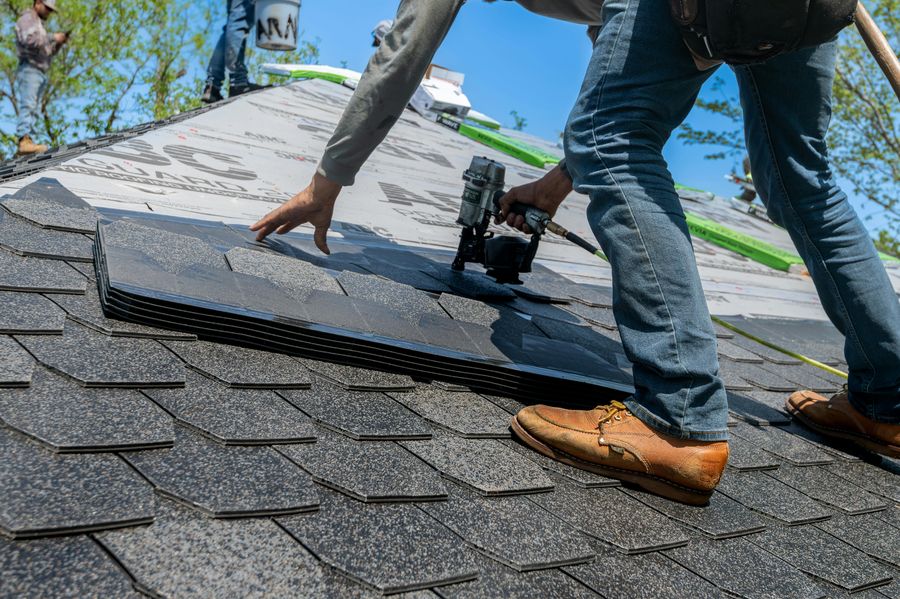
Upper Midwest neighborhoods run on grays, soft whites, warm beiges and muted blues for a reason: they read clean against snow, green lawns and fall color alike, and they hide dust between rains. Deep navy, iron gray and forest green have joined the mainstream as darker modern palettes take over new construction.
The safe modern base. Pair with black or charcoal roofs and white trim for the crisp look that dominates current builds.
Friendlier and more traditional. Works with brown and Weathered Wood roof tones and brick accents common on older homes.
The statement palette. Modern vinyl holds these colors far better than older generations did, and white trim keeps them from going heavy.
All siding weathers over decades, but this is a solved problem compared to twenty years ago: quality vinyl lines carry fade resistant technology and warranties that specifically cover darker colors. Two practical notes. First, buy the darker color in a line rated for it rather than the bargain tier. Second, judge samples outdoors, because dark panels shift more between indoor and outdoor light than pale ones. We bring current color boards from trusted manufacturers like CertainTeed to every siding estimate.
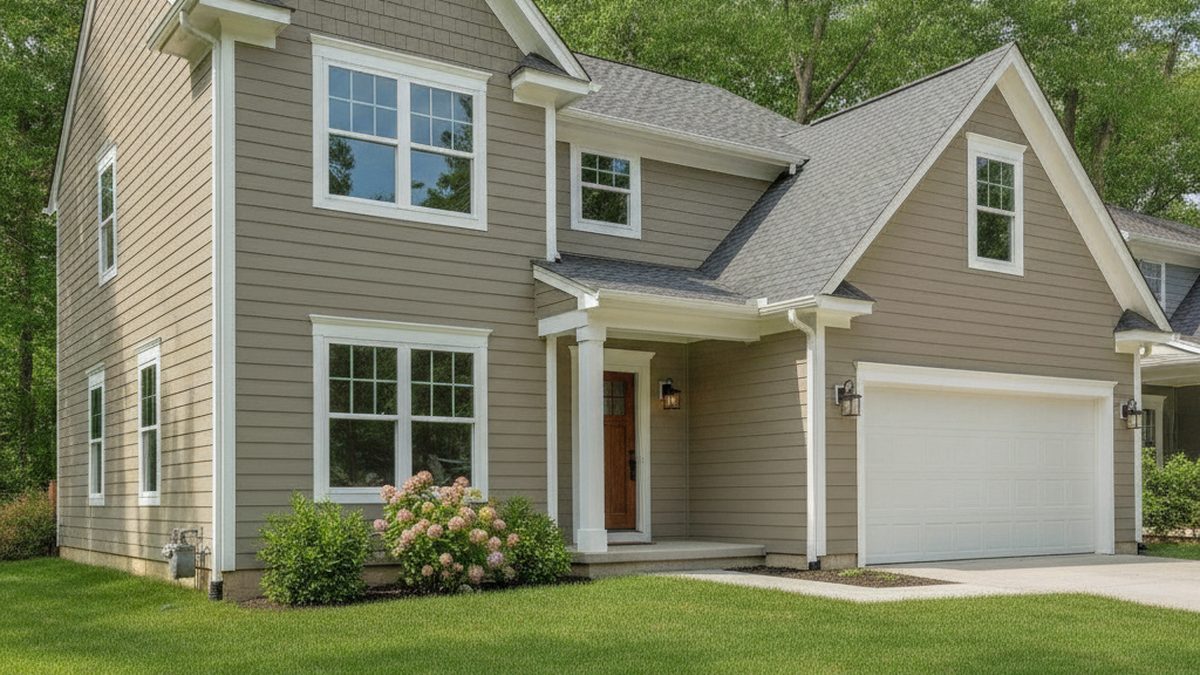
The roof is a third of what you see from the curb. Cool gray siding wants a black, charcoal or slate toned roof. Warm beige and clay want brown and wood toned shingles. If the roof is due in the next few years, choose the pair together, and if you are replacing both, doing them in one project usually beats two mobilizations on price. Our shingle color guide covers the roof side of the equation.
A free estimate gets you exact numbers, real samples and an honest recommendation from a veteran owned local contractor.
Prefer to pick a time? Book your free inspection online