A spring roof inspection after winter snow load checks five things: shingles lifted or creased by wind and ice, flashing and vent boots cracked by freeze and thaw, gutters bent or pulled loose by sliding snow, the roof edge and soffits for ice dam staining, and the attic for moisture and frost damage. Do the ground level part yourself in April and have the rest inspected before the first hail storm.
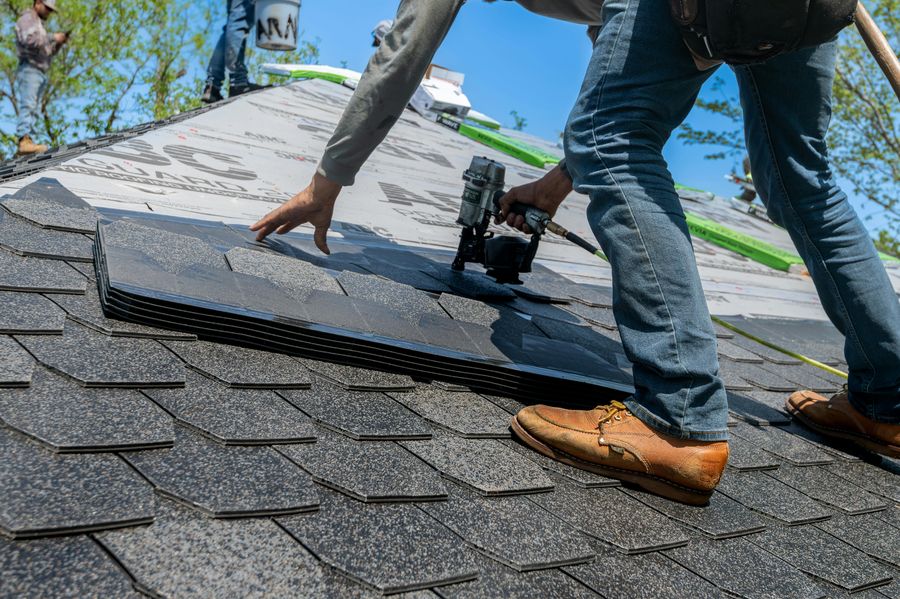
Snow load itself rarely breaks a sound roof in our market. What winter does is move things: ice pushes shingles up at the eaves, freeze and thaw cracks rubber boots and opens flashing seams, and a slab of snow sliding off a metal or steep roof rips gutters and hangers loose. Ice dams leave a tell tale stain line at the roof edge and inside the soffit.
In the attic, look for frost marks on the underside of the deck, matted or damp insulation and dark staining along the nails. Those are the winter condensation and ice dam signs that turn into rot if the attic is not corrected.
Spring hail arrives from May onward. A documented inspection in April gives you a clean baseline photo record of the roof's condition before the storms, which matters if you ever need to show what a storm changed. It also gets small repairs done before every roofer in the metro is buried in storm work. The inspection is free, includes photos and a written summary, and comes with no obligation.
A free estimate gets you exact numbers, real samples and an honest recommendation from a veteran owned local contractor.
Prefer to pick a time? Book your free inspection online