How to file a roof insurance claim in Minnesota starts with documentation: photograph the damage, get a written inspection, then call your agent, who opens the claim and sends an adjuster. When a hail storm totals the roof, the claim typically lands in the same $8,000 to $22,000 range as a replacement; a claim is not an average number, it is the cost to restore your specific roof. Minnesota and Wisconsin take real hail nearly every summer, and the roof usually catches it first. This guide covers how to tell cosmetic wear from claimable damage, how the claim actually unfolds, and the traps that cost homeowners money. It is educational, not a promise: your policy and your agent are the final word on coverage.
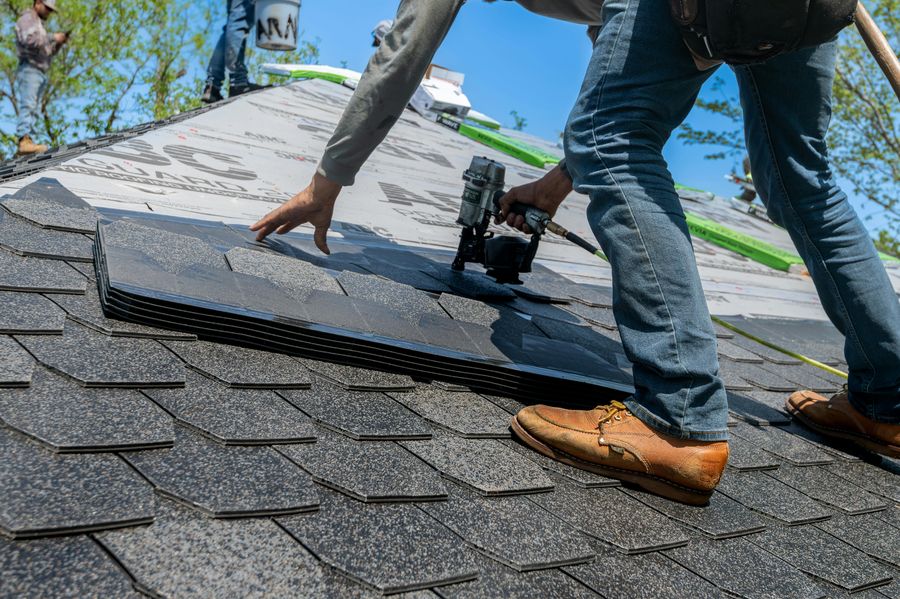
Real hail damage is often invisible from the ground. On asphalt shingles it shows as soft dark bruises where granules were knocked loose, exposing the mat underneath. The easier tells sit on the metal: dents in gutters, downspouts, roof vents and flashing, and granules piling up in the gutters after the storm. If the soft metal took hits, the shingles likely did too.
The sequence matters. Get the roof inspected and documented first, then decide with real information whether the damage clears your deductible and is worth a claim. If it is, you notify your insurer, they send an adjuster, and the adjuster writes a scope of what they will pay for. Having your contractor at the adjuster meeting means both sets of eyes are on the same roof at the same time, and differences get resolved on the spot instead of through weeks of paperwork.
Storm date, ground photos, and a contractor inspection with photo evidence. A claim built on documentation starts strong; one built on a hunch invites a denial.
If the repair cost sits near your deductible, filing may not be worth the claim history. An honest inspection tells you which side of that line you are on.
We attend adjuster meetings for our customers. Two professionals on the roof beats a homeowner relaying messages between them.
Two policy details decide most of the money. First, replacement cost value versus actual cash value: an RCV policy pays what the new roof costs (usually in two checks, with depreciation released after the work is done), while an ACV policy deducts age based depreciation permanently, which on an older roof can be most of the value. Second, the deadline: many policies limit hail claims to one or two years after the storm date, and some are shorter. If a storm hit and you never had the roof inspected, the clock may already be running on damage you cannot see.
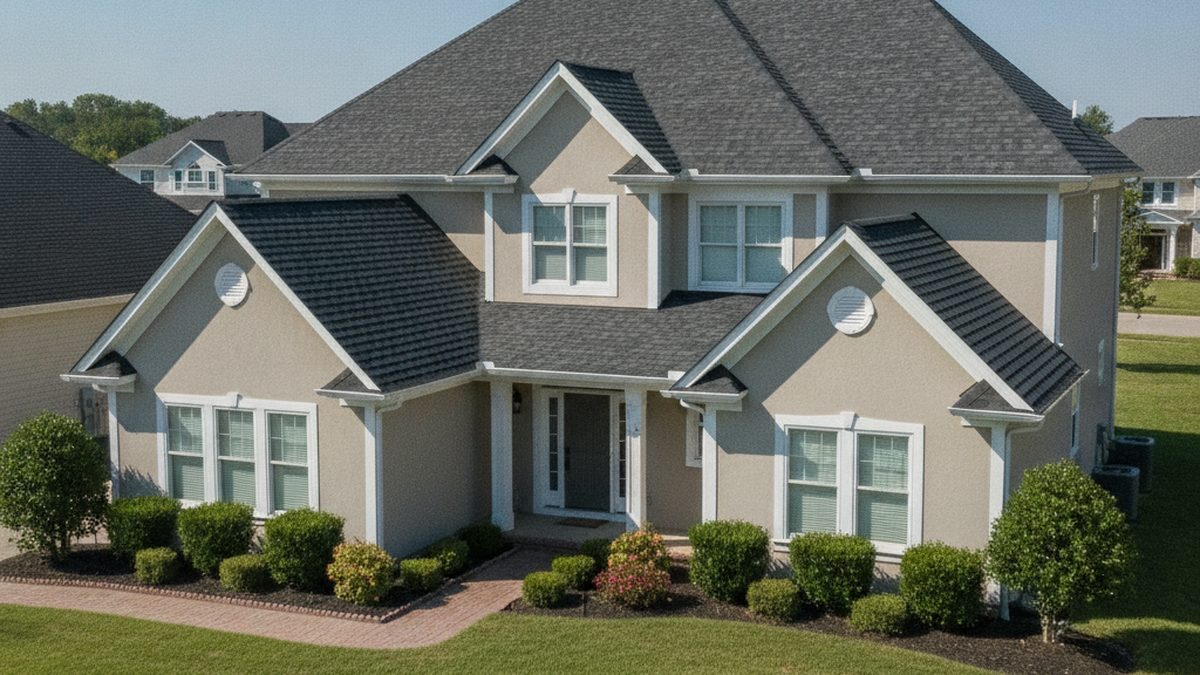
Hail brings out of state storm chasers to Minnesota and Wisconsin every summer. The pattern to avoid: door knockers who promise a free roof, ask you to sign over your claim, or want a contract before an adjuster has seen anything. A legitimate local contractor documents the damage, meets your adjuster, does the work to code, and is still here when the warranty matters. That is the whole pitch. If someone is pressuring you to sign today, that is the signal to slow down. Storm repairs and full documentation are exactly what our storm damage service covers.
A free estimate gets you exact numbers, real samples and an honest recommendation from a veteran owned local contractor.
Prefer to pick a time? Book your free inspection online