Board and batten is the vertical siding style behind the modern farmhouse look: wide flat boards with narrow battens covering the seams. It has moved from barns to one of the most requested siding styles in the upper Midwest. Here is what it costs, which materials make sense, and how to use it well.
Board and batten typically prices a step above standard horizontal lap siding in the same material because the layout takes more pieces and more cutting. On an average home in our market, vinyl board and batten lands roughly in the $10,000 to $20,000 range for a full replacement, engineered wood roughly $15,000 to $30,000, and fiber cement above that. Whole house figures depend on wall area and trim, so treat these as typicals: a free estimate gives you the exact number, and our 2026 cost index shows how labor costs shift by metro.
The value pick. No painting, no sealing, and modern profiles look far better than the vinyl of twenty years ago. The usual choice when budget leads the decision.
Real wood texture with engineered stability. Takes paint, resists the freeze thaw cycle better than raw lumber, and reads convincingly like site built board and batten.
The premium pick: crisp shadow lines, holds paint for years and shrugs off hail better than most claddings. Heavier and costlier to install, and worth it on the right house.
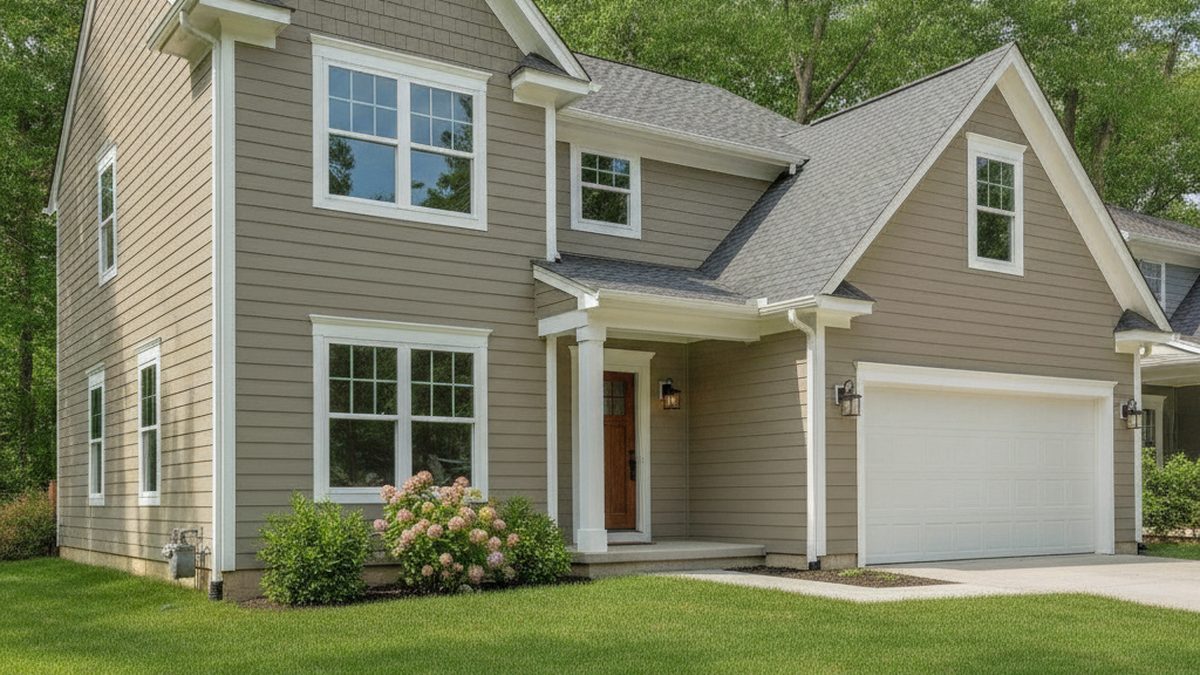
Full board and batten on every wall can feel heavy on a small home. The combinations that consistently look right: board and batten on gables with lap siding below, a board and batten accent on the entry or a front facing peak, or full vertical siding on farmhouse and cottage forms that carry it naturally. Dark colors with white trim and black windows are driving the current wave, but the style also works in soft creams and grays. We help you mock the combination during a siding estimate.
A free estimate gets you exact numbers, real samples and an honest recommendation from a veteran owned local contractor.
Prefer to pick a time? Book your free inspection online